
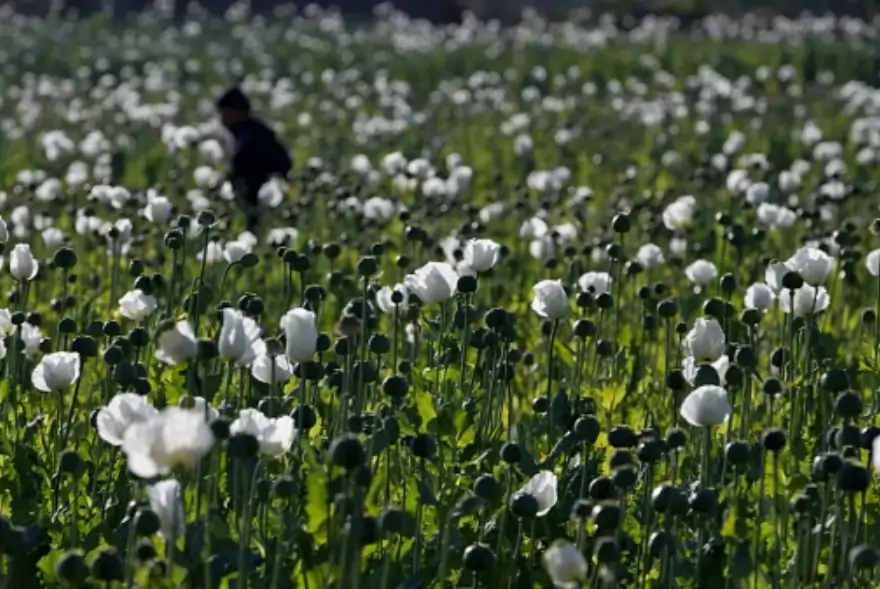
The report reveals a 17% increase in Opium Cultivations over the past year, rising from 45,200 hectares to 53,100 hectares
Opium cultivation in Myanmar has surged to its highest level in ten years, according to new findings released by the United Nations Office on Drugs and Crime (UNODC). The 2025 Myanmar Opium Survey, which examines the fourth growing season since the military takeover, paints a stark picture of expanding illicit agriculture amid deepening conflict and economic turmoil.
The report reveals a 17% increase in Opium Cultivations over the past year, rising from 45,200 hectares to 53,100 hectares. With Afghanistan’s production continuing to decline, Myanmar has solidified its position as the world’s most significant confirmed source of illegal opium.
“This is a pivotal moment for Myanmar,” said Delphine Schantz, UNODC Representative for Southeast Asia and the Pacific. “The resurgence of the opium economy over the past few years has now become unmistakable and the current trajectory suggests it may continue to expand.”
Sharp Growth Across Multiple Regions

All major growing areas recorded increases in cultivation.
• East Shan State showed the largest jump at 32%.
• Chin State followed with a 26% rise.
• Kachin State saw only modest growth at 3%.
South Shan State remained Myanmar’s primary growing zone, accounting for 44% of all Opium Cultivation despite seeing a 13% rise. For the first time, the UNODC survey included data from Sagaing Region, identifying 552 hectares under poppy there, a development that, along with expansion in Chin, highlights growing activity along Myanmar’s western frontier.
Economic Hardship Fuels the Expansion
The report underscores a clear pattern: as Myanmar’s economy deteriorates and conflict intensifies, more farmers turn to poppy as a dependable source of income. The economics are compelling, farmgate opium prices have more than doubled since 2019, climbing from USD 160 per kilogram to USD 365 this year. UNODC warns that if global shortages of heroin linked to Afghanistan’s collapse in production worsen, demand for Myanmar’s opium may push prices even higher.
Despite the expansion of cultivated area, the yield per hectare has declined in parts of northern Shan State and Kachin, where ongoing clashes have disrupted agricultural activities and access to essential supplies. Nevertheless, overall output remains high, sustaining Myanmar’s role in regional drug markets.
Signs of Shifting Heroin Routes
The survey also notes early indications that heroin produced in Myanmar is beginning to reach markets traditionally supplied by Afghan opium. Authorities in several countries have intercepted heroin carried by passengers arriving from Southeast Asia, hinting at emerging trafficking routes. Although these seizures remain isolated, the UNODC says they may foreshadow broader shifts in global supply chains.
A Worsening Outlook
With conflict intensifying and economic conditions unlikely to improve soon, UNODC expects further pressure on farmers to grow opium. Options for alternative livelihoods remain limited.
“Farmers are being pushed towards poppy by violence, desperation, and rising prices,” Schantz said. “Without meaningful economic alternatives, Myanmar risks becoming even more deeply entrenched in the illicit drug economy. The consequences will extend well beyond its borders.”
The report concludes that urgent action is needed to address both the drivers of poppy cultivation and the growing international impacts of Myanmar’s expanding opium trade. (Opium Cultivation)
Read Also : From Mughlai to Kashmiri Delights—What Will Modi Plate Up for President Putin This Time?