
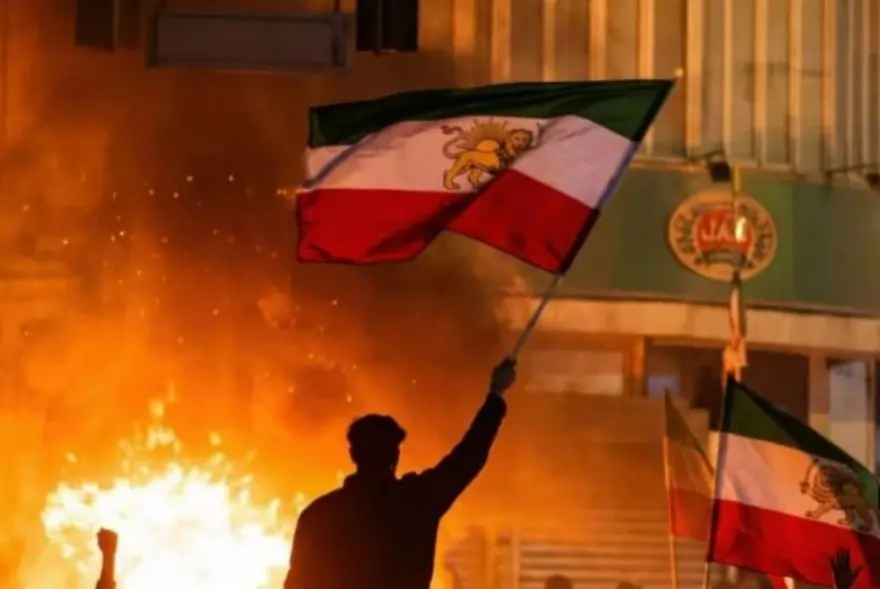
Iran’s Attorney General calls protesters “Enemies of God” amid an internet blackout and an escalating crackdown.
Protests in Iran have reached a critical and violent two-week mark with what began as a response to the collapse of the national currency (the rial) that has now transformed into a sweeping challenge to the country’s theocratic leadership.
Amid the protests, the country’s attorney general has threatened people with a death penalty charge.
Mohammad Movahedi Azad, the Iranian Attorney General, said all those participating in the protests would be considered an ‘enemy of God’.
Current Status: Death Toll and Arrests

The crackdown by Iranian security forces has intensified significantly over the last 48 hours. According to the Human Rights Activists News Agency (HRANA) and reports from The Associated Press:
Fatalities: At least 116 people have been killed. These deaths are largely attributed to the use of live ammunition and pellet gunfire by security forces, often fired at close range.
Detentions: More than 2,600 individuals have been detained. Reports indicate that many were taken during nightly raids or directly from hospitals where they were seeking treatment for injuries.
Vulnerable Groups: At least nine children are among the confirmed dead.
Government Escalation: “Enemy of God”
In a major escalation of legal rhetoric, Iran’s Attorney General, Mohammad Movahedi Azad, issued a stern warning on Saturday (January 10).
The Charge: Protesters and anyone “helping rioters” will be charged with moharebeh, or being an “enemy of God.”
The Penalty: Under Islamic law in Iran, this offense is punishable by death.
Judicial Directive: The judiciary has ordered prosecutors to prepare indictments “without delay” and to conduct trials with “no leniency, compassion, or indulgence.”
Information Blackout
Iran remains under a nationwide internet blackout that has lasted over 60 hours.
Purpose: Monitors like NetBlocks suggest the shutdown is intended to prevent protesters from organizing and to mask the scale of the crackdown from the international community.
Communication: Despite the blackout, some activists are reportedly using satellite internet services like Starlink to send out verified footage of “Death to Khamenei” chants in districts like Saadat Abad in Tehran.
International Reactions and Geopolitical Tensions
The internal unrest is being met with a volatile international backdrop:
United States: President Donald Trump has voiced public support for the protesters, stating that “The USA stands ready to help.” However, the Iranian government has used this rhetoric to label the protests as “foreign-instigated riots” by the U.S. and Israel.
Military Threats: Iran’s Parliament Speaker warned that U.S. and Israeli assets would be “legitimate targets” if the U.S. carries out military strikes, which Trump has reportedly considered.
United Nations: UN Human Rights Chief Volker Türk expressed that he is “deeply disturbed” by the violence and called for an independent investigation into the use of force.
The Economic Spark
While the protests are now political, the root cause remains a dire economic crisis. The Iranian rial has plummeted to over 1.4 million to $1 USD, leading to a bank run at major institutions like Bank Melli and widespread strikes that have shuttered storefronts in major cities like Mashhad and Isfahan.
Also Read : X Purges 600+ Accounts After Indian Govt Warning Over Grok’s Explicit Content