
The Delhi Riots Conspiracy case pertains to the communal violence that erupted in North-East Delhi in February 2020 during protests against the Citizenship Amendment Act (CAA)
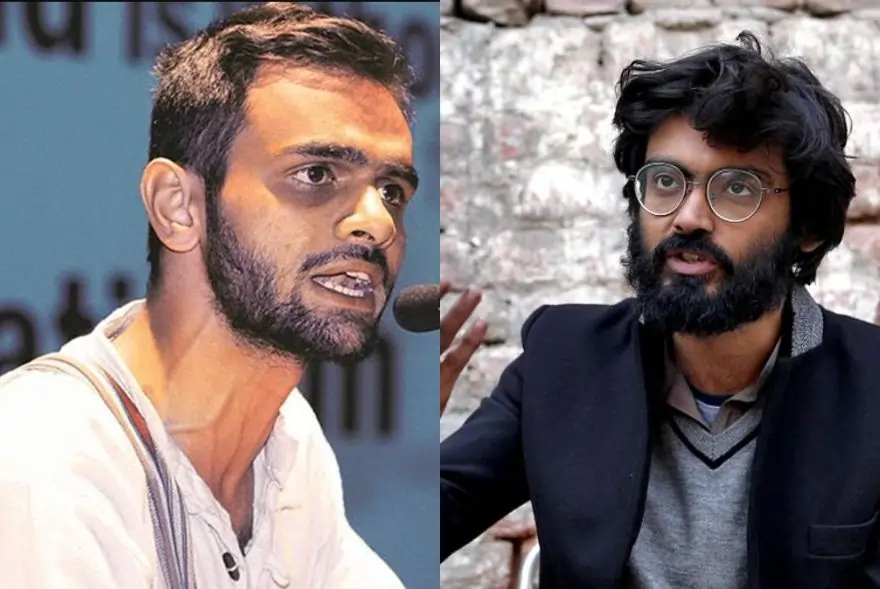
The Supreme Court of India on Monday refused to grant bail to activists Umar Khalid and Sharjeel Imam in the “larger conspiracy” case related to the February 2020 North-East Delhi riots. While the court maintained the incarceration of the two high-profile student leaders, it granted conditional bail to five other co-accused, citing a clear distinction in their alleged roles.
A bench comprising Justices Aravind Kumar and NV Anjaria delivered the judgment after having reserved its verdict on December 10 last year.
The bench noted that Khalid and Imam stand on a “qualitatively different footing” compared to the other appellants.
The court observed that the material produced by the prosecution disclosed a prima facie case against the duo under the stringent Unlawful Activities (Prevention) Act (UAPA).

“This court is satisfied that the prosecution material disclosed a prima facie allegation against the appellants, Umar Khalid and Sharjeel Imam. The statutory threshold stands attracted qua these appellants,” the Bench stated.
Key Highlights of the Ruling
The judgment balanced the rigors of the UAPA with the constitutional right to liberty under Article 21, but ultimately favored the prosecution’s narrative for the “central” figures of the case:
- Individual Assessment: The court rejected a collective approach, stating that it must evaluate the specific role of each accused. It held that Khalid and Imam were at the “hierarchy of participation” and played central roles in the alleged conspiracy.
- Relief for Others: The court granted bail to five other accused: Gulfisha Fatima, Meeran Haider, Shifa-ur-Rehman, Mohd. Saleem Khan, and Shadab Ahmad. The bench noted that their roles were “ancillary” compared to the main accused.
- Liberty to Reapply: The Supreme Court granted Khalid and Imam the liberty to move for bail again after the examination of protected witnesses is complete, or after one year from today’s order.
- Strict Conditions: For the five granted bail, the court imposed 12 stringent conditions, including prohibitions on influencing witnesses or tampering with evidence.
Arguments from Both Sides
The Delhi Police, represented by Solicitor General Tushar Mehta and ASG S.V. Raju, had argued that the 2020 riots were not spontaneous protests but a “premeditated and well-designed” attack on India’s sovereignty, timed to coincide with the visit of the then US President to draw global attention.
Defending the activists, senior advocates including Kapil Sibal and Abhishek Singhvi highlighted that the duo had been in custody for over five years without the trial even commencing. They argued that prolonged incarceration without trial violates the fundamental right to a speedy trial.
The case pertains to the communal violence that erupted in North-East Delhi in February 2020 during protests against the Citizenship Amendment Act (CAA). The violence resulted in 53 deaths and left over 700 injured. Umar Khalid has been in custody since September 2020, while Sharjeel Imam was arrested in January 2020.