
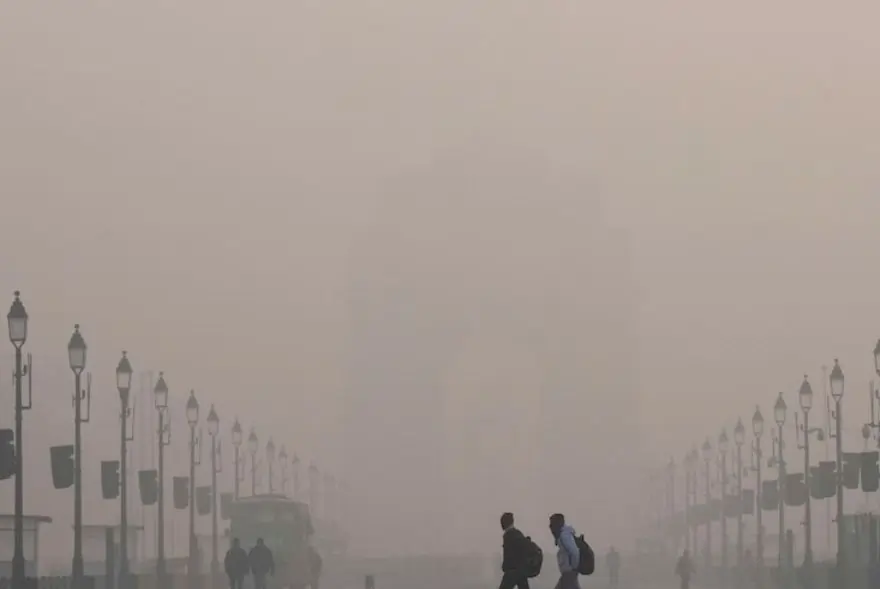
Delhi entry ban comes into force as non-BS-VI private vehicles are stopped from entering the city and fuel is denied without valid PUC certificates to control rising air pollution.
The Delhi entry ban has officially come into force from December 18, 2025, as the government takes strict steps to control the city’s rising air pollution. Under this rule, non-Delhi private vehicles that do not meet BS-VI emission standards are not allowed to enter the national capital. Along with this, the ‘No PUC, No Fuel’ rule is also being strictly enforced across the city.
As part of the Delhi entry ban, petrol pumps are refusing fuel to vehicles that do not have a valid Pollution Under Control certificate. Authorities are using automatic number plate reader cameras, voice alerts at fuel stations, and police support to ensure smooth enforcement. This move aims to stop high-polluting vehicles from adding to Delhi’s already poor air quality.
To manage the situation on roads, around 580 police personnel have been deployed at 126 checkpoints, including major border points. Transport Department teams are also present at petrol pumps and entry points to monitor compliance and guide motorists. Vehicles are being checked carefully to ensure rules are followed without confusion.
However, the Delhi entry ban does not apply to all vehicles. Cars running on CNG or electric power are allowed, along with public transport and vehicles carrying essential goods or services. Emergency services are also exempted so that daily life is not badly affected.

At the same time, vehicles carrying construction materials are not permitted to enter the city under GRAP IV restrictions. These measures are part of a larger plan to reduce dust and harmful emissions that worsen air pollution, especially during winter months.
Petrol pump owners have supported the government’s goal but raised concerns about implementation. The Delhi Petrol Dealers’ Association said it supports efforts to fight pollution but called enforcement “an extremely difficult and arduous task” unless key issues are resolved.
The association also pointed out that many pollution sources come from outside Delhi. It said measures limited only to the city may not bring full results unless similar rules are applied across the entire NCR. According to them, petrol pump staff are not enforcement officers, and denial of fuel may lead to “law-and-order disturbances”.
They further added that the emission checking system is outdated and needs improvement. Issues like lack of live data from ANPR cameras and past failed trial runs have also been highlighted. The association requested authorities to fix these problems so the Delhi entry ban can be implemented smoothly and fairly.
With pollution levels becoming a serious health concern, the Delhi government says strict action is necessary. While challenges remain, officials believe these steps will help reduce harmful emissions and protect public health in the long run.
Also Read : Severe smog engulfs Delhi as pollution spikes