
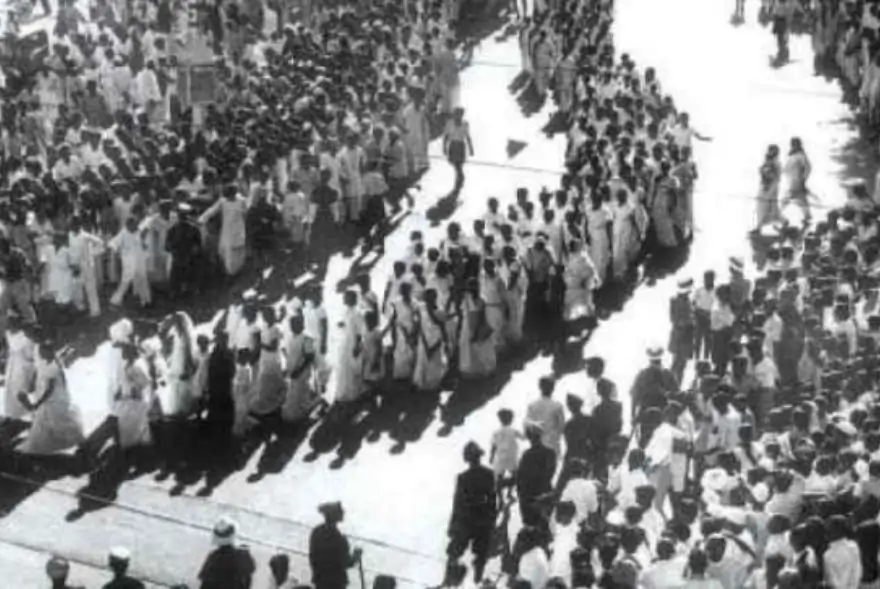
Swahid Divas: On this day, the state pays heartfelt homage to the 855 martyrs, later recorded as 860 by AASU
December 10, observed across Assam as Swahid Divas, stands as a solemn reminder of the unmatched sacrifices made during the historic Assam Movement (1979–1985). On this day, the state pays heartfelt homage to the 855 martyrs, later recorded as 860 by AASU, who laid down their lives to safeguard Assam’s identity, culture, and demographic stability. Their sacrifices form the emotional and moral backbone of modern Assamese society, marking Swahid Divas as not just a day of remembrance, but a reaffirmation of Assam’s collective resolve to protect its cultural heritage.
As the state bows in respect to its martyrs, it also revisits the movement that defined an era, an uprising born from the fears of demographic changes, political neglect, and the struggle for rightful ownership over land, culture, and resources.
The Assam Movement: A Defining People’s Uprising
The Assam Movement was one of the most transformative mass agitations in independent India. Sparked in 1979 and sustained for six tumultuous years, it was a widespread public campaign demanding the identification and deportation of illegal migrants who had entered Assam, particularly from Bangladesh. The movement reshaped political narratives, awoke cultural consciousness, and fundamentally altered Assam’s future trajectory.

Why the Movement Began
A Deep-Rooted Fear of Losing Identity
The sudden rise in illegal migration created anxieties among Assamese people who feared becoming minorities in their own homeland. This demographic pressure threatened language, culture, and indigenous rights.
Resource Pressure and Alienation
Large-scale settlement of outsiders intensified competition for scarce land and livelihood resources. The already struggling economy of Assam felt further stressed, breeding resentment among the local population.
Political Instability and Distrust
Frequent collapses of state governments and the imposition of President’s Rule in the late 1970s created a vacuum of trust. People believed their concerns were being ignored by both state and central authorities.
AASU Steps Forward
In 1979, the All Assam Students’ Union (AASU) emerged as the primary voice of the movement, channeling public sentiment into a structured agitation. Their leadership transformed scattered resentment into a unified, powerful force.
Demands That Echoed Across Assam
Identification and Deportation
The core demand was the removal of all foreigners who had entered Assam after 1951, to restore demographic balance.
Correction of Electoral Rolls
Lakhs of illegal immigrants were believed to be listed as voters. Protesters demanded a clean and credible voter register.
Resistance to Cultural and Political Marginalisation
The movement sought protection against perceived domination by outsiders, especially in regions where migrants had become the majority.
Years of Turmoil and Sacrifice
The agitation witnessed statewide shutdowns, oil blockade campaigns, train stoppages, and mass demonstrations. While the movement showcased Assam’s unity, it also led to violent clashes, loss of lives, and major economic setbacks.
Amid this unrest, hundreds of young boys and girls became martyrs, their deaths symbolising the movement’s emotional and historical weight.
The Assam Accord: A Turning Point
In 1985, talks between the Rajiv Gandhi-led Central government and movement leaders culminated in the Assam Accord, which promised:
• Identification and deportation of foreigners who entered Assam after March 25, 1971
• Constitutional, legislative, and administrative safeguards for Assamese people
• Restoration of normalcy after years of disruption
The signing of the accord paved the way for the formation of the Asom Gana Parishad (AGP), marking a major shift in Assam’s political landscape.
The Unfinished Question
Even decades after the Assam Movement, the issue of illegal immigration remains unresolved. Concerns over identity, culture, and demographic change continue to shape political and social debates in Assam and the wider Northeast.
A Day of Reverence and Reflection
Swahid Divas is more than an observance,it is a reminder of the courage, conviction, and sacrifice of the Assamese people.
It urges the present generation to honour the martyrs not just through remembrance, but through commitment to preserving the values they died for: cultural pride, social harmony, and the protection of Assam’s unique identity.
Also Read : Assam’s First Official Memorial for 1979–85 Movement Martyr. Here’s All About New ‘Swahid Smarak Kshetra’