
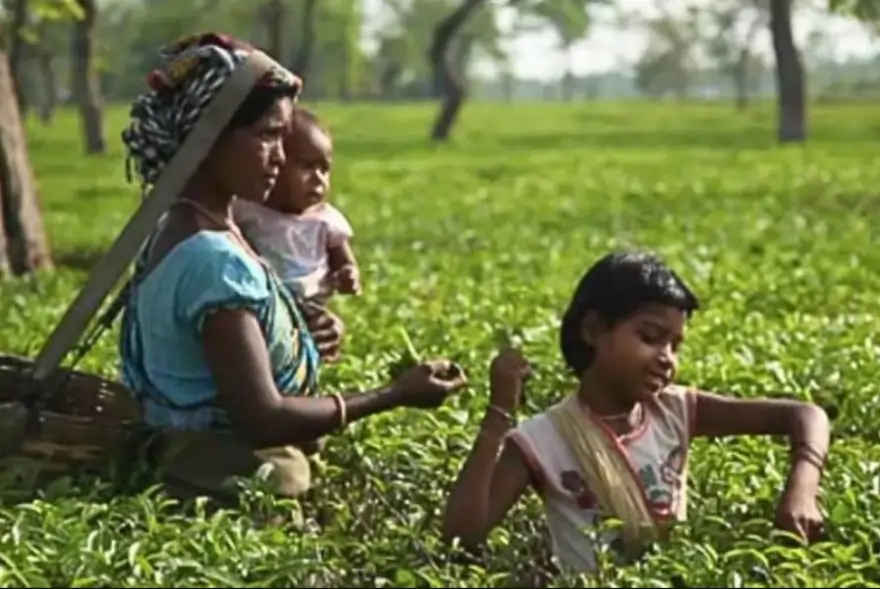
Assam Two-Child Policy Relaxed as the state allows ST, SC, Tea Garden, Moran and Matak communities to have up to three children without losing government benefits.
Assam Two-Child Policy Relaxed has become one of the biggest updates for lakhs of families in the state, especially from the ST, SC, Tea Garden, Moran and Matak communities.
The Assam government has officially eased its strict population rule, giving these communities the freedom to have up to three children without losing important government benefits, job eligibility or the chance to contest elections. This change is already active as the new notification has come into effect from December 5.
The order from the Health and Family Welfare Department clearly mentions that the amendment to the Population and Women Empowerment Policy of Assam, 2017 has been updated to support these communities.
It also says that people from these groups can now apply for government jobs, run for elections and even receive Self Help Group incentives even if they have three children. This brings a major change because the earlier two-child rule restricted many opportunities.

Commissioner and Secretary Patibandla Ashok Babu explained in the notification that this relaxation officially applies to all individuals belonging to these communities.
The decision is based on the Cabinet meeting held on October 23, where it was decided to protect these indigenous groups from population decline. The state believes that the earlier strict rule could harm their future.
Chief Minister Himanta Biswa Sarma had already shared the concern during the Cabinet meeting. He said that the government wants to ensure the demographic survival of these communities.
He warned that keeping a two-child limit might slowly reduce their numbers. He explained that if the limit continued, “their identity could be lost within the next 50 years,” and this fear pushed the government to rethink the policy.
The two-child norm was earlier enforced strictly under the Assam Public Services (Application of Small Family Norms) Rules, 2019.
It also applied to gaon panchayat elections under the 2018 amendment of the Assam Panchayat Act, which also required candidates to meet education standards and have access to sanitary toilets. For many people, these rules created barriers in public life and government employment.
The BJP-led government has supported population control measures for many years, but this new decision shows that they are willing to create exceptions when a community’s future is at risk.
By allowing up to three children, the government says it wants to protect the cultural identity and long-term survival of these groups.
This update has brought relief across several indigenous communities who feared that a strict population limit could affect both their social identity and their opportunities.
With Assam Two-Child Policy Relaxed now officially in place for these groups, families feel more secure about planning their future without losing their rights and benefits.